Driving Men's Shoe Store Growth with Smart Wholesale Men Shoes Management
The global footwear industry has evolved dramatically over the past decade. Men’s fashion, once considered limited in variety, has expanded into a dynamic and highly competitive market segment. From casual sneakers and athletic footwear to formal dress shoes and seasonal boots, modern consumers expect both style and functionality. For entrepreneurs and retailers, this shift presents a major opportunity—but also a challenge.
To succeed in today’s environment, it’s not enough to simply stock products. Retailers must adopt smart wholesale men shoes management strategies that optimize sourcing, inventory, pricing, and customer experience. This is where reliable wholesale platforms such as FashionTIY come into play, offering scalable solutions for businesses aiming to grow efficiently.
In this comprehensive guide, we will explore how to drive growth in a men’s shoe store using strategic wholesale sourcing, smart inventory management, and diversified product offerings. We will also show how integrating complementary categories can significantly boost revenue and customer retention.
The Men's Shoe Market
Market Trends and Consumer Behavior
Men today are more fashion-conscious than ever before. They are no longer limited to basic black or brown shoes. Instead, they demand:
- Versatile sneakers for daily wear
- Stylish loafers for semi-formal occasions
- Durable boots for seasonal use
- Comfortable slippers for indoor relaxation
This diversification creates opportunities for retailers to expand their catalogs and attract broader audiences.
Why Wholesale Matters
Sourcing shoes in bulk is essential for maintaining competitive pricing and ensuring consistent inventory. Wholesale purchasing allows retailers to:
- Reduce per-unit costs
- Increase profit margins
- Maintain stock availability
- Quickly adapt to market trends
Platforms like FashionTIY simplify this process by offering a wide range of products at competitive prices, making it easier for businesses to scale.
Building a Strong Product Foundation
Core Categories for Men's Shoe Stores
A successful men’s shoe store should focus on a balanced mix of categories:
1. Casual and Everyday Shoes
These include sneakers, loafers, and slip-ons that customers wear daily. Investing in men shoes in bulk ensures you always have popular styles available.
2. Athletic Footwear
Sports and fitness culture continues to grow globally. Stocking wholesale running shoes helps capture this high-demand segment.
3. Formal Shoes
Dress shoes remain essential for business and formal occasions. Offering classic styles builds credibility and trust.
4. Seasonal Footwear
Boots and sandals allow you to capitalize on seasonal trends. Diversification ensures year-round sales stability.
Expanding Beyond Men's Shoes
Why Diversification Drives Growth
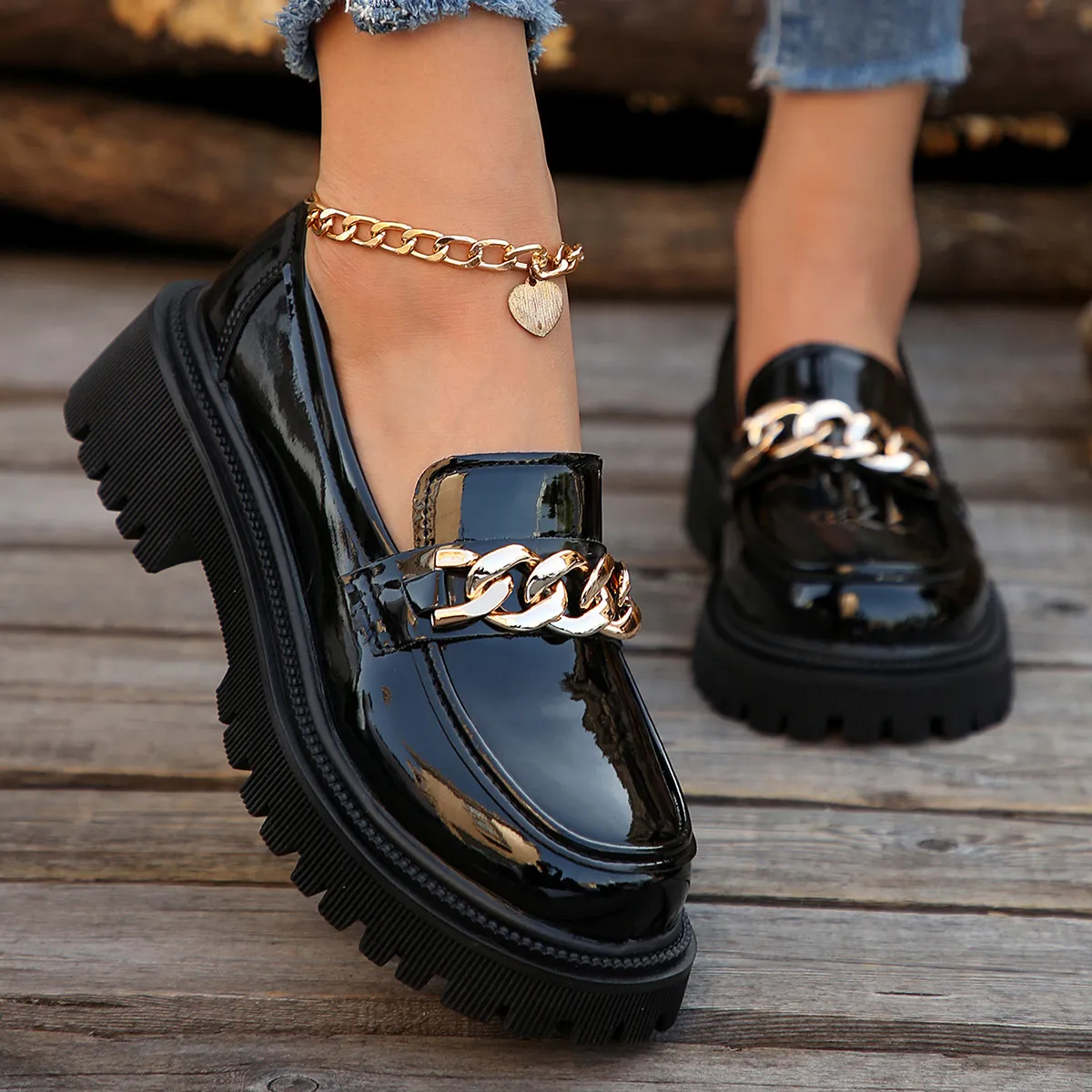
While your primary focus may be men’s footwear, expanding into related categories can significantly increase revenue. Customers often shop for family members or complementary products.
Women's Footwear Opportunities
Adding women’s products such as:
can turn your store into a one-stop shop.
Additionally, fashion-forward options like:
help attract style-conscious shoppers.
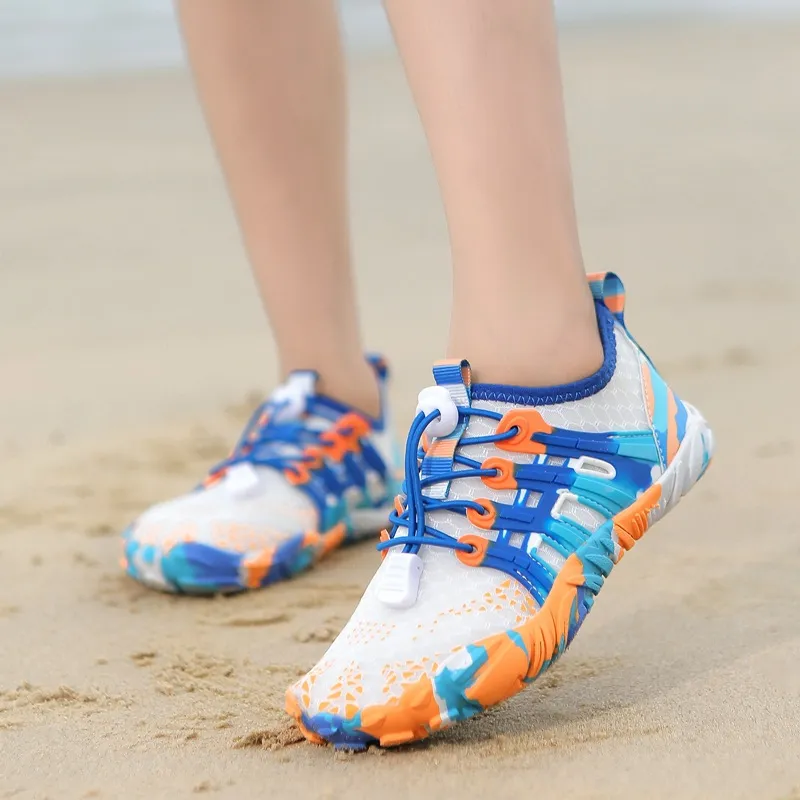
Children's Footwear
Family-oriented shoppers appreciate convenience. Stocking:
can significantly increase basket size and repeat purchases.
Smart Inventory Management Strategies
The Importance of Inventory Control
Inventory is the backbone of any retail business. Poor management can lead to:
- Overstocking and cash flow issues
- Stockouts and lost sales
- Inefficient storage
Best Practices
1. Demand Forecasting
Analyze sales data to predict trends and adjust orders accordingly.
2. Seasonal Planning
Stock boots before winter and sandals before summer to maximize sales.
3. Product Rotation
Introduce new styles regularly while clearing slow-moving items.
4. Bulk Purchasing Optimization
Using suppliers like FashionTIY for shoes in bulk ensures consistent supply and cost efficiency.
Enhancing Customer Experience
Creating a Seamless Shopping Journey
Customers today expect convenience and personalization. To stand out:
- Offer detailed product descriptions
- Provide size guides
- Ensure fast shipping
Bundling Strategies
Increase average order value by bundling products such as:
- Shoes + shoe boxes in bulk
- Sneakers + accessories
- Slippers + homewear
The Role of Comfort and Lifestyle Products
Indoor Footwear Market
Comfort is a growing priority for consumers. Products like:
are increasingly popular, especially with remote work trends.
Adding these items diversifies your inventory and captures additional market segments.
Leveraging E-Commerce for Growth
Online Store Optimization
To compete in today’s digital landscape, your online store must:
- Be mobile-friendly
- Load quickly
- Offer secure payment options
SEO Strategy
Incorporating keywords such as:
- shoes in bulk
- wholesale running shoes
- men shoes in bulk
helps improve search engine rankings and attract organic traffic.
Marketing Strategies for Men's Shoe Stores
Social Media Marketing
Platforms like Instagram and TikTok are powerful tools for showcasing products. Use:
- High-quality images
- Styling tips
- Customer testimonials
Influencer Collaborations
Partnering with influencers can boost brand visibility and credibility.
Email Marketing
Keep customers engaged with:
- Promotions
- New arrivals
- Exclusive discounts
Pricing Strategies for Maximum Profit
Competitive Pricing
Wholesale sourcing allows you to offer competitive prices while maintaining margins.
Tiered Pricing
Encourage bulk purchases by offering discounts for larger orders.
Seasonal Discounts
Clear inventory and attract customers with limited-time offers.
Building Strong Supplier Relationships
Why Supplier Choice Matters
A reliable supplier ensures:
- Consistent product quality
- Timely delivery
- Competitive pricing
FashionTIY stands out by offering a wide range of products, making it easier to manage multiple categories in one place.
Logistics and Supply Chain Optimization
Efficient Shipping
Fast and reliable shipping improves customer satisfaction.
Inventory Storage
Organize stock efficiently to reduce handling time and errors.
Scaling Your Business
Expanding Product Lines
Gradually introduce new categories such as:
- Women’s footwear
- Children’s shoes
- Indoor slippers
Opening New Sales Channels
Consider:
- Online marketplaces
- Social commerce
- Wholesale distribution
The Role of Branding
Creating a Unique Identity
Your brand should reflect:
- Quality
- Style
- Reliability
Customer Loyalty
Build loyalty through:
- Rewards programs
- Excellent service
- Consistent quality
Case Study: Growth Through Smart Wholesale Management
A small retailer started with a limited selection of men’s sneakers. By sourcing men shoes in bulk and expanding into women’s and children’s categories, they:
- Increased revenue by 200%
- Improved customer retention
- Reduced inventory costs
This demonstrates the power of strategic wholesale management.
Future Trends in Men's Footwear
Sustainability
Eco-friendly materials are becoming increasingly important.
Technology Integration
Smart shoes and wearable tech may shape the future of footwear.
Customization
Personalized products are gaining popularity among consumers.
Unlocking Growth with Smart Strategies
Driving growth in a men’s shoe store requires more than just stocking products. It involves:
- Strategic wholesale sourcing
- Smart inventory management
- Diversified product offerings
- Effective marketing
By leveraging platforms like FashionTIY and adopting a data-driven approach, retailers can build scalable and profitable businesses.
Whether you are just starting or looking to expand, focusing on smart wholesale men shoes management will position your store for long-term success.
The footwear industry offers immense opportunities for growth. With the right strategies, tools, and supplier partnerships, you can transform your men’s shoe store into a thriving business.
Start by sourcing high-quality products, optimizing your inventory, and expanding your offerings. Over time, these efforts will compound, leading to sustainable success in a competitive market.


Comments
Post a Comment